


Burlesque for Beginners: What It Is, What It Isn’t, and Why You Should Try It
If the word “burlesque” brings to mind dramatic musical numbers, sequins, and impossibly glamorous performers à la Burlesque the movie — well, you’re not entirely wrong. But the real world of burlesque is even richer, weirder, and more human than Hollywood could ever capture.
Burlesque today is a vibrant, queer, body-positive art form built on storytelling, humor, sensuality, and radical self-expression. And while it may sparkle onstage, behind the glitter curtain is a diverse community of creatives who are rewriting what it means to take up space — and inviting others to join them.
A Brief History of Burlesque
The origins of burlesque stretch back to the 19th century, when Lydia Thompson and her troupe, the British Blondes, brought their cheeky blend of satire, performance, and gender-bending roles to American audiences in the 1860s. From there, burlesque evolved through vaudeville stages, sideshow tents, and Depression-era nightclubs, reaching its so-called “Golden Age” in the mid-20th century with legends like Gypsy Rose Lee and Blaze Starr.
But the form never truly disappeared. In the 1990s, neo-burlesque emerged as a DIY, punk-infused revival of the classic tease — only this time, it was even more inclusive, subversive, and experimental. Today’s burlesque performers are as likely to reference Dungeons & Dragons or dismantle gender roles as they are to fan dance to jazz.
Who Does Burlesque?
In short: everyone.
Modern burlesque welcomes all genders, body types, and experience levels. Many performers have no formal dance background at all. Some are writers, actors, musicians, costumers, or visual artists. Others are accountants, teachers, bartenders, or parents by day — and bedazzled bombshells by night.
Offstage, the scene is refreshingly unpolished.
“Most of us look like glitter-covered raccoons on our best day,” laughs Rachel Riot, headmistress of the Raleigh School of Burlesque. “But when we get onstage? That’s where the transformation happens.”
Burlesque is also deeply queer, neurodivergent-friendly, and community-driven. The emphasis is not on perfection but on authenticity — and on telling a story, even if that story includes a fart joke, a protest sign, or a pair of nipple tassels.
What Burlesque Isn’t
One of the most persistent misunderstandings about burlesque is the belief that it’s a more “artistic” or “classy” version of stripping. But this framing not only erases the historical overlap between the two — it also disrespects the labor and skill of sex workers.
As World Famous BOB once said, “Strippers make money. Burlesque dancers make costumes.” Both forms involve undressing as performance. Both require charisma, stagecraft, and guts. Neither is inherently better. Many burlesque artists today are proud to support sex worker rights and push back against stigma.
“There’s power in the strip,” says Dahlia Vee, a longtime Raleigh-based performer and instructor. “But there’s also power in choosing how you strip — whether it’s a sultry glove peel or a clown routine with tearaway pants.”
The Raleigh Burlesque Scene: Built on Love and Glitter
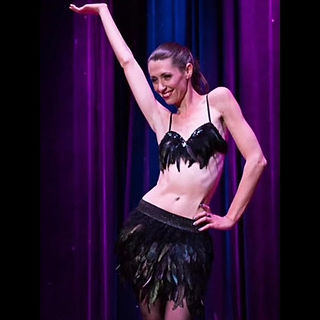


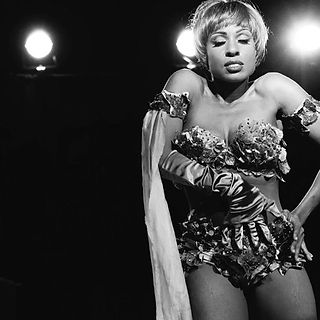

In Raleigh, North Carolina, one of the biggest hubs for accessible burlesque education is the Raleigh School of Burlesque, founded by Rachel Riot — a seasoned performer, producer, and mentor with nearly two decades of experience.
With an emphasis on community care, storytelling, and self-love, the school was created to offer something deeper than just dance classes: a radically inclusive home for budding burlesque artists.
“I immediately felt like I’d found my people,” said student Helixxx. “A safe place to practice self-love.”
The school’s signature course — the Shimmy Seminar — is a four-week intensive designed to introduce students to burlesque history, movement, and performance. But ask any alum, and you’ll hear that it’s much more than that.
“Shimmy Seminar was a beautiful, post-40 reintroduction to my love of dance, movement, and my own body,” said student Missy MILF. “Rachel and Raquel engineered a fearless, safe space for all the women in our class.”
Another student, Marie la Femme, shared, “The Shimmy Seminar is what gave me the confidence of making my ‘what if’ into a reality. Rachel and Raquel prepare you to walk on that stage and do your thing with all the confidence — and classmates cheering you on.”
Since its creation, the Shimmy Seminar has welcomed hundreds of students from all walks of life — from complete beginners to seasoned dancers — and helped birth a new generation of performers who go on to grace stages, build community troupes, and continue the legacy of burlesque as a living, evolving art form.
Why Try Burlesque?
If you’ve ever been curious about performing — or even just curious about feeling more confident in your own skin — burlesque
might be the creative outlet you didn’t know you needed.
Whether you want to become a stage star, reclaim your sensuality, or just make a few weird new friends who also collect fake eyelashes in bulk, there’s a place for you in the burlesque world.
As one student, Havana Harlot, put it:
“I have always been an introvert, and the Shimmy Seminar helped with my self-esteem and self-image. It taught me that I am a badass sexy b*tch.”
And honestly? That might be the most important lesson of all.
Comments